
No Heat? Start Here
It’s the first truly freezing night of the year in Colorado. You head to the thermostat, turn the heat on, and… nothing happens. No warm air. No reassuring hum from the furnace. Just cold.
Before panic sets in, take a breath. In many cases, a furnace that won’t turn on is caused by a simple issue you can safely check yourself. Other times, it’s an early warning sign of a more serious heating problem that needs professional attention.
As a trusted local heating company serving Grand County for generations, the technicians at Grand Lake Plumbing & Heating see this scenario every winter. Below is a step-by-step guide to help you troubleshoot safely and understand when it’s time to call for help.
Step-by-Step: What to Check When Your Furnace Won’t Turn On
- Check That the Furnace Has Power
Even gas furnaces require electricity to operate. Start by checking your home’s electrical panel to see if the furnace breaker has tripped.- If the breaker is tripped, reset it once.
- If it trips again, do not reset it repeatedly. This is a critical safety feature designed to prevent electrical fires.
If the breaker continues to trip, stop troubleshooting and call a licensed professional to inspect the system.
- Verify Thermostat Settings
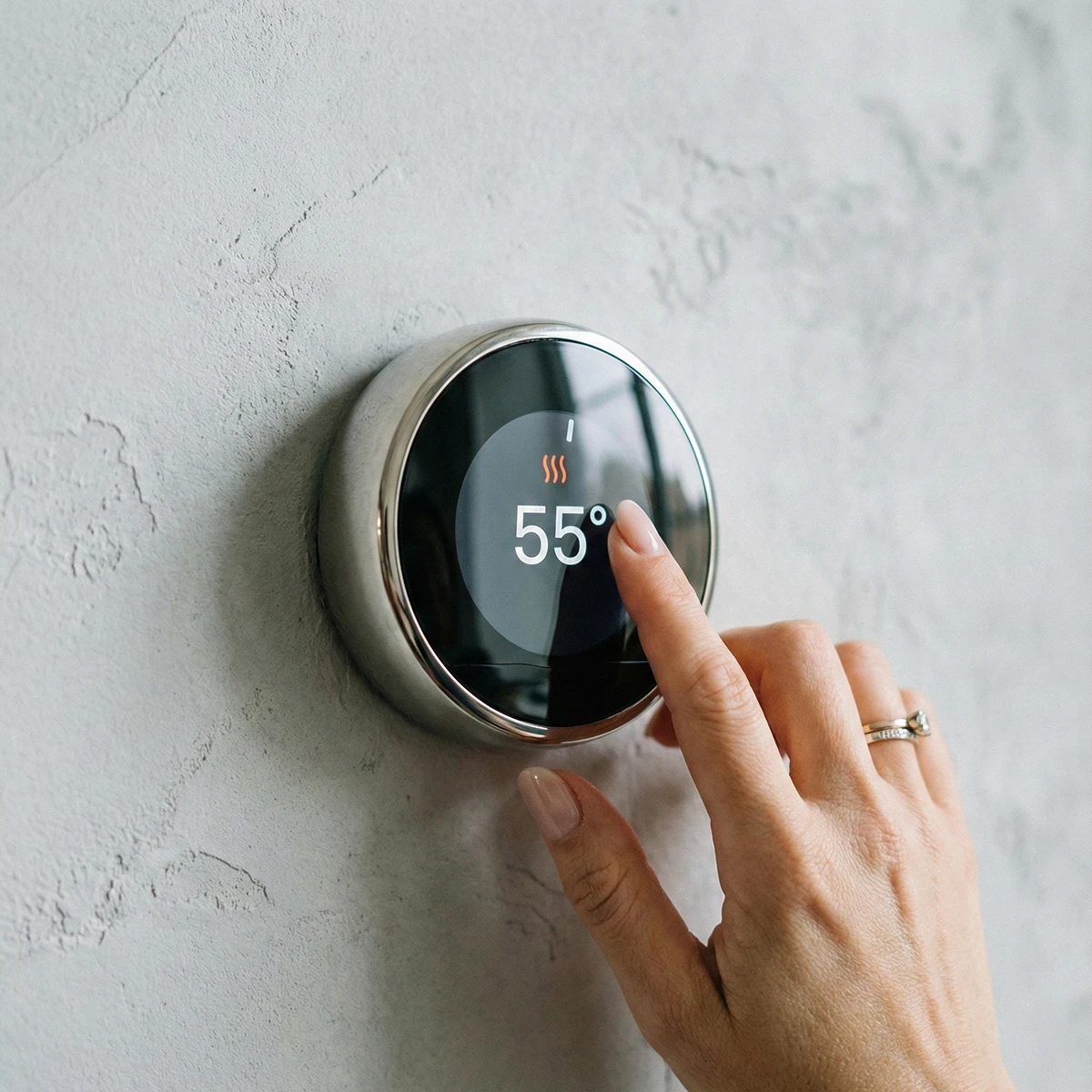
It sounds obvious, but thermostat issues are one of the most common causes of “no heat” calls.- Confirm the thermostat is set to HEAT, not COOL or OFF.
- Raise the temperature setting 2–5 degrees above the current room temperature.
- If the thermostat is battery-powered, replace the batteries.
Smart thermostats may also lose Wi-Fi connection or settings after power outages, so double-check schedules and modes.
- Inspect the Condensate Drain and Pan
High-efficiency furnaces produce condensation during normal operation. This water drains into a condensate pan and out through a drain line.- If the drain line is clogged, the pan can fill with water.
- A float switch will shut the furnace down to prevent water damage.
If you see standing water and the float switch is raised, clear the obstruction and carefully reset the switch. If clogs keep happening, professional cleaning is recommended.
- Check the Furnace Air Filter
A severely clogged air filter restricts airflow, causing the furnace to overheat. When this happens, built-in safety controls shut the system down.- Remove the filter and inspect it for heavy dust buildup.
- If it’s dirty, replace it immediately with the correct size and rating.
Regular filter changes not only prevent breakdowns but also improve efficiency and indoor air quality.
- Look for Pilot Light or Ignition Issues (Older Furnaces)
This applies primarily to older gas furnaces with a standing pilot light.- If the pilot light is out, follow the manufacturer’s instructions exactly.
- Never attempt to relight a pilot if you smell gas.
Most modern furnaces use electronic ignition systems, which require professional diagnostics if they fail.
- Confirm the Fuel Supply
If your furnace runs on natural gas or propane, verify that fuel is available.- Check other gas appliances, such as a stove or fireplace.
- For propane systems, confirm the tank is not empty.
If other gas appliances aren’t working, the issue may be with the gas supply rather than the furnace itself.
When to Stop Troubleshooting and Call a Professional
If you’ve gone through these steps and your furnace still won’t turn on, it’s time to call for professional help. Continuing to reset breakers, bypass safety switches, or disassemble components can create safety hazards and cause more damage.
Grand Lake Plumbing & Heating provides fast, reliable furnace repair throughout Grand County. Our licensed, NATE-certified technicians understand Colorado winters and the unique demands they place on heating systems.
No heat in winter isn’t just uncomfortable, it’s a true emergency. We’re ready to get your heat back on quickly and safely.
Frequently Asked Questions: Furnace Not Working
Why does my furnace stop working on the coldest night of the year?
Extreme cold puts the highest demand on your heating system. Issues like dirty filters, frozen condensate lines, or aging electrical components often show up when the furnace is working its hardest.
Is it safe to keep resetting a tripped furnace breaker?
No. Reset a tripped breaker once. If it trips again, there is likely an electrical or mechanical fault that requires professional inspection.
Can a dirty furnace filter really shut the system down?
Yes. Restricted airflow can cause overheating, triggering safety switches that shut the furnace off to prevent damage or fire risk.
Should I turn my furnace off if it won’t start?
If the system is repeatedly trying and failing to start, turning it off at the thermostat or breaker can prevent further damage until a technician arrives.
How can I prevent furnace breakdowns in winter?
Annual professional maintenance, regular filter changes, and early-season system checks are the best ways to reduce the risk of mid-winter failures.
