
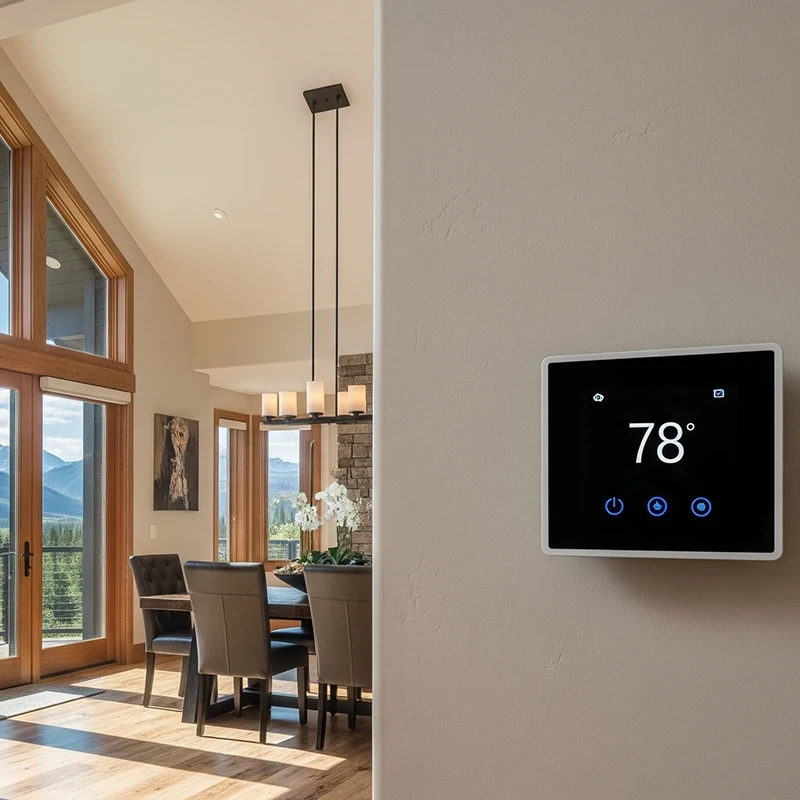
Maintaining consistent indoor comfort during spring and shoulder seasons in the mountains of Colorado can be especially challenging. One day temperatures climb above 70 degrees, and the next they drop back into the 20s. These rapid temperature swings make it difficult for a single thermostat to keep every room comfortable, particularly in larger, multi-level homes with vaulted ceilings, expansive windows, or finished basements.
Homeowners often experience cold lower levels, overheated upstairs bedrooms, and constant thermostat adjustments that never quite solve the problem. HVAC zoning is one of the most effective ways to address these comfort imbalances while improving energy efficiency and system performance.
The Benefits of Zoning Your Home
HVAC zoning is the process of dividing your home into distinct areas, or zones, that can be heated or cooled independently based on how each space is used. Each zone is controlled by its own thermostat, allowing for precise temperature control throughout the home rather than relying on a single setting for every room.
For example, bedrooms can be kept cooler at night for better sleep, while living areas remain warmer and comfortable during the day. Finished basements, guest rooms, or home offices can be conditioned only when needed instead of being over-heated or over-cooled around the clock.
Zoning works by integrating with your existing heating and cooling system. Motorized dampers installed inside the ductwork automatically open and close to regulate airflow to each zone. A thermostat mounted on an interior wall communicates with these dampers, adjusting heating or cooling output based on the specific needs of that zone.
Improved Comfort in Every Room
One of the most noticeable advantages of HVAC zoning is consistent comfort throughout the home. Hot and cold spots are minimized because each area receives the right amount of conditioned air. Homes with large south-facing windows, bonus rooms over garages, or multiple stories benefit significantly from zoning because these areas naturally heat and cool at different rates.
Lower Energy Use and Utility Costs
Because zoning reduces the need to heat or cool unused areas, it can lead to substantial energy savings. Instead of running your system at full capacity to satisfy the warmest or coldest room, your HVAC equipment operates more efficiently by delivering air only where it is needed.
When properly designed and installed, a home zoning system can reduce wear on your heating equipment, lower monthly utility bills, and often pay for itself in as little as three years. In high-altitude and cold-weather climates like Grand County, these savings can add up quickly.
Better System Performance and Longevity
Zoning can also help extend the lifespan of your HVAC system. By reducing short cycling and improving airflow balance, your furnace or boiler operates under more stable conditions. This leads to fewer breakdowns, improved reliability during cold snaps, and better overall performance during extreme weather changes.
Is HVAC Zoning Right for Your Home?
Zoning is especially effective for larger homes, multi-level floor plans, homes with additions, or properties with significant temperature differences between rooms. A professional evaluation is essential to determine whether your existing system can be zoned or if system upgrades are recommended to ensure proper airflow and control.
At Grand Lake Plumbing and Heating, our experienced technicians understand the unique heating challenges of Colorado mountain homes. We design and install zoning systems that improve comfort, maximize efficiency, and perform reliably in demanding alpine conditions.
Have questions about home heating or HVAC zoning? Contact Grand Lake Plumbing and Heating today. We have been keeping Colorado homes comfortable for over 100 years with expert service, honest recommendations, and proven solutions you can trust.
