
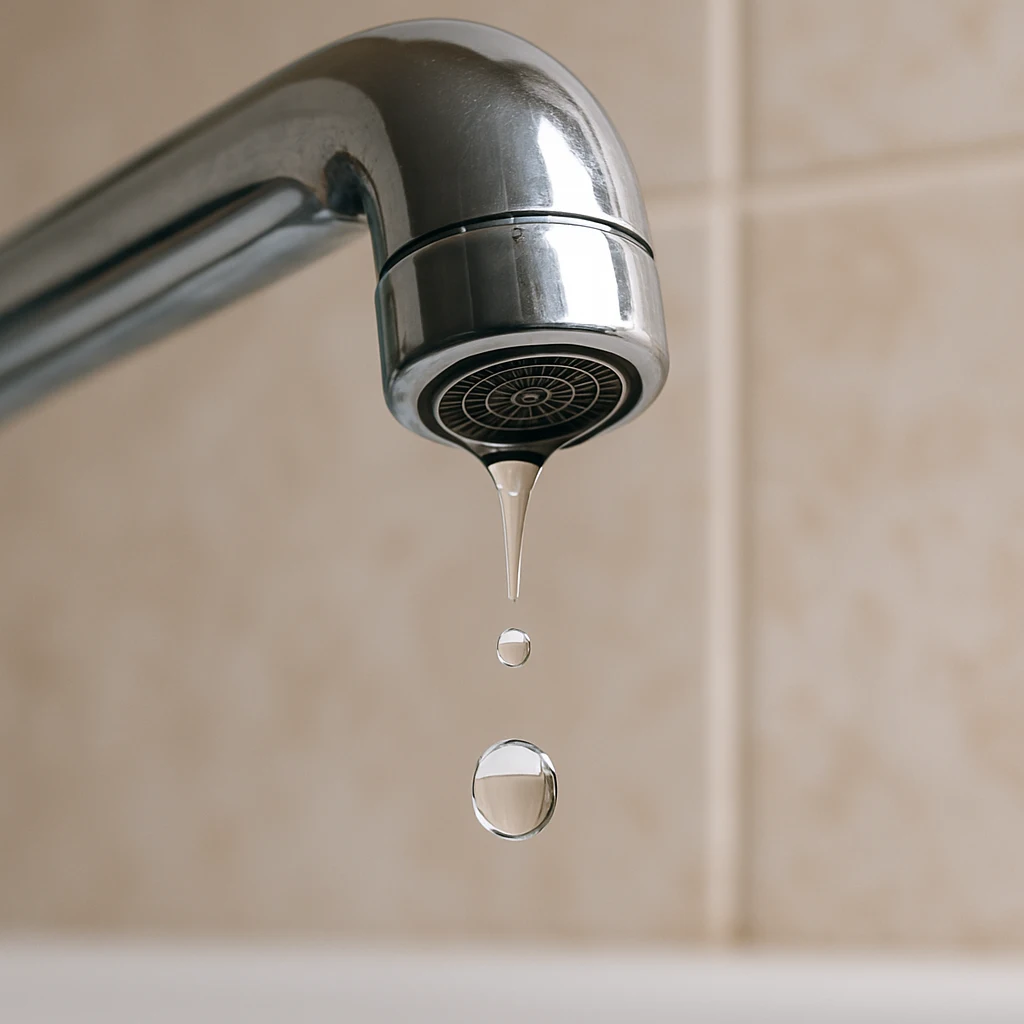
Most homeowners think of a dripping faucet, running toilet, or slow leak under a sink as a minor annoyance. But even small plumbing leaks can waste thousands of gallons of water per year, and that wasted water shows up in higher utility bills, damaged fixtures, and costly repairs. In mountain communities like Grand Lake, Granby, Fraser, and Winter Park, where plumbing systems often work harder due to freezing temperatures and mineral-rich water, leaks can develop more quickly and become more destructive when left unaddressed.
Beyond wasted water, hidden leaks can cause:
- Mold and mildew growth that affects indoor air quality
- Rotting wood, warped floors, or damaged drywall
- Corrosion of pipes and fittings
- Increased strain on well pumps for homes on private wells
- Significantly higher water and energy bills
Even a tiny drip is more expensive than most people realize.
How Much Water Is Being Wasted? The Numbers Might Surprise You.
The Environmental Protection Agency (EPA) has studied residential water leaks extensively, and the results show just how much waste occurs from what looks like a small issue.
- 10% of U.S. homes have leaks that waste 90 gallons or more every day.
- A single faucet dripping once per second wastes more than 3,000 gallons per year.
- Minor household leaks account for over 1 trillion gallons of wasted water annually. That’s enough to supply 11 million homes for an entire year.
- A shower leaking at just 10 drips per minute wastes more than 500 gallons per year.
To put this into perspective, 3,000 gallons is roughly equivalent to:
- 60 loads of laundry
- Nearly 200 dishwasher cycles
- Over a month of average drinking water for a family of four
Now imagine if your home has multiple small leaks, or one hidden leak slowly causing water damage behind the scenes.
Hidden Leaks: The Most Expensive Kind
Some leaks are obvious, like a dripping faucet or running toilet. But hidden leaks often cause the greatest damage before a homeowner ever notices a problem. These include leaks:
- Behind walls
- Under sinks or vanities
- Inside crawlspaces
- In slab foundations
- From aging water heaters
- In irrigation or outdoor plumbing lines
Hidden leaks may show subtle signs such as:
- Musty odors
- Soft or warm spots on floors
- Sudden increases in water use
- Unexplained mold growth
- Peeling paint or bubbling drywall
- A constantly running well pump
In Grand County homes, especially older cabins, second homes, and properties with seasonal use, hidden leaks often go undetected longer and cause more extensive structural damage.
Simple Ways to Prevent Water Waste in Your Home
You don’t need to be a plumber to catch many of the most common leaks. Start with these homeowner-friendly steps:
1. Inspect Faucets, Showers, and Sinks
Check for drips at the spout and moisture around the base. Worn-out washers, o-rings, or cartridges are inexpensive repairs that prevent long-term waste.
2. Check Your Toilets for a Silent Leak
Drop a few drops of food coloring into the toilet tank and wait 10 minutes. If the color appears in the bowl, you have a leak, often caused by a worn flapper, bad fill valve, or faulty seal.
3. Review Your Water Bills or Well Pump Activity
Sudden spikes in usage or a pump that cycles more than usual are major indicators of leaks.
4. Look for Moisture in Cabinets & Mechanical Rooms
Feel for dampness, check for warped wood, and look for staining around pipes, especially in cold-weather climates where temperature swings stress plumbing systems.
5. Upgrade to WaterSense Fixtures
If you’re replacing an old toilet, faucet, shower head, or water heater, choose models with the EPA’s WaterSense rating for better performance and lower water use.
When to Call a Professional
Not all leaks are easy to diagnose, and many require specialized tools, especially in homes with well systems, radiant heating, or older plumbing. Call us if you notice:
- Consistent musty odors
- Sound of running water when no fixtures are on
- Significant water bill increases
- Low water pressure
- Wet spots on walls, ceilings, or floors
- Corrosion or mineral buildup around valves and joints
- Mold growth or allergy-like symptoms
Early detection is always cheaper than repairing long-term water or structural damage.
Stop Water Waste — We Can Help
If you’re unsure where a leak is coming from or you want a professional inspection, Grand Lake Plumbing & Heating is here to help. Our licensed, highly trained plumbers can detect hidden leaks, repair dripping fixtures, and recommend WaterSense-rated replacements to help you conserve water and protect your home.
Call 970-627-3441 to schedule leak detection or plumbing repair.
