
Expert Hot Water Tips for Homeowners
Water heaters are essential home appliances we rely on all day long, but they aren’t something we think about until they malfunction and the hot water tap runs cold. If you’re in the market for a new one, this guide will help you make the right choice for your home. Let’s dive right into it!
Why is Choosing the Right Water Heater Important?
Water heaters aren’t just about getting hot water. Choosing the right unit impacts your energy bills and ensures you get a consistent supply of hot water whenever you need it. As you’ll see below, there are different types of water heaters for different needs.
Step 1: Determine Your Needs
Evaluate Your Daily Hot Water Usage
Estimate how much hot water your household uses daily. Consider the number of people, daily routines, and peak times for water usage.
Understand Your Home’s Infrastructure
Is your home set up for gas, electric, or both? The infrastructure will dictate the type of heater you can install.
Step 2: Choose the Type of Water Heater
Storage Tank Heaters
The most common type. They consist of an insulated tank where water is heated and stored until needed.
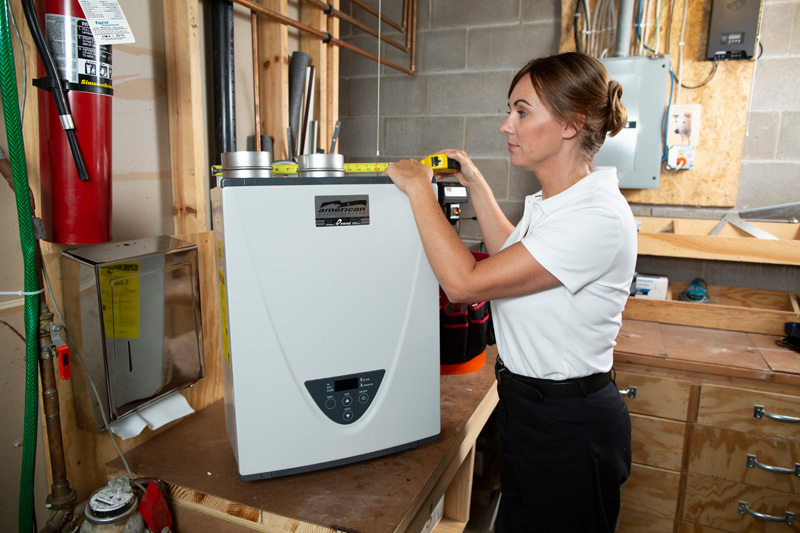
Tankless Water Heaters
These heat water directly without using a storage tank. They’re energy-efficient but might not be the best for large families.
Heat Pump Heaters
Rather than generating heat directly, they move heat from one place to another. These are best for homes in warmer climates.
Step 3: Look at Energy Efficiency Ratings
Higher energy efficiency means lower monthly bills. Check the Energy Guide label on the unit. It can provide estimated yearly operational costs and compare its efficiency with other models.
Step 4: Decide on the Right Size
For Storage Tank Heaters
Choose a unit based on the number of gallons the tank holds and how quickly it heats the water.
For Tankless Heaters
Look at the gallons-per-minute (GPM) rate. Ensure it can handle your household’s peak demand.
Step 5: Consider the Warranty
Most water heaters come with warranties ranging from 3 to 12 years. While a longer warranty is better, it might also mean a slightly higher price.
Step 6: Factor in Installation Costs
Remember, the purchase price of your heater isn’t the only cost. Installation can vary depending on the complexity of the job. Tankless water heaters are typically more costly to install.
Choosing a new water heater might feel overwhelming, but by starting with the questions above you’ll have a head start when hiring a plumber to replace your water heater.
