
How to Drain a Water Heater
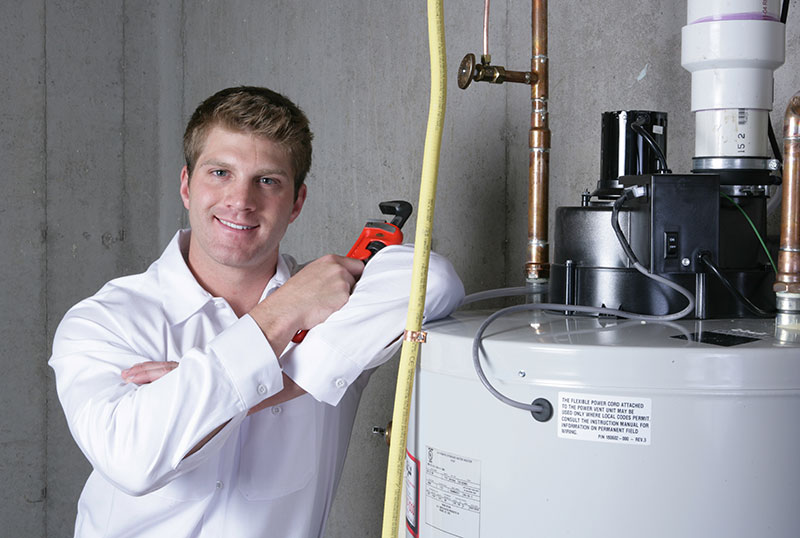
Water heaters are something most homeowners never think about, until there is a leak or the hot water stops flowing. Most manufacturers recommend draining the tank every 6 or 12 months. Flushing it removes the sediment that settles at the bottom over time, which is mostly minerals and other particles. If your home has hard water, that sediment builds up faster.
As it builds, the sediment forms an insulating layer between the burner at the bottom of the tank and the water above it. The burner has to run longer to heat the same water, which costs efficiency and shortens the life of the heater. Flushing regularly clears the sediment before it gets that far.
Before You Start
Read the owner’s manual for your particular make and model, because the details vary between them. Make sure you know where the home’s main water shut-off valve is, in case something goes wrong partway through. Give the tank a couple of hours to cool down before you begin.
Even with the heat off for hours, the water in the tank can still be hot enough to scald. If you have not let it cool, wear insulated rubber gloves.
Draining the Tank
- Turn off the heat. On a gas heater, turn the gas valve to OFF. On an electric heater, switch the circuit off at the breaker panel.
- Turn off the cold water supply at the valve on top of the heater.
- Attach a garden hose to the drain valve at the bottom of the tank. Run the other end outside, below the level of the drain, or to a floor drain. If you are using a bucket, use one holding at least five gallons and close the valve each time it fills.
- Open a hot water tap on the floor above, as near the heater as possible. This relieves the pressure in the system and lets the tank drain properly rather than gurgling to a halt.
- Open the drain valve. Some need a screwdriver rather than a knob or lever.
- If it drains slowly, lift the pressure relief valve near the top of the tank just far enough to let air in.
- Let it drain completely. A full tank can take up to 30 minutes.
- Flush it. Briefly reopen the cold water supply to stir up whatever sediment is left, and let it run out. Repeat until the water runs clear, which usually takes at least five minutes.
Refilling and Restarting
This is the part that matters most, and the part people rush.
- Close the drain valve fully and disconnect the hose.
- Close the pressure relief valve if you opened it, and tighten the nut on top if you loosened it.
- Open the cold water supply and let the tank fill.
- Go back to the hot water tap you opened earlier. When cold water runs steadily from it, the tank is full and the air is out of the line. Turn it off.
- Only now restore the heat. On a gas heater, return the valve from PILOT, relighting with the igniter on the valve or a long lighter if it has no igniter. On an electric heater, switch the breaker back on.
- Check the drain valve for drips once the tank is back under pressure.
Important: many tanks must be completely full before the burner or the heating elements are switched back on. Firing an electric element in an empty tank destroys it in seconds. That is why the tap in step 4 comes before the power in step 5.
Have questions about maintaining your water heater, or would you rather we did it? Call Grand Lake Plumbing & Heating.
